
2026-07-20 · Mark Thibodeaux
What to Do in the First 24 Hours After a Flood in Bridge City
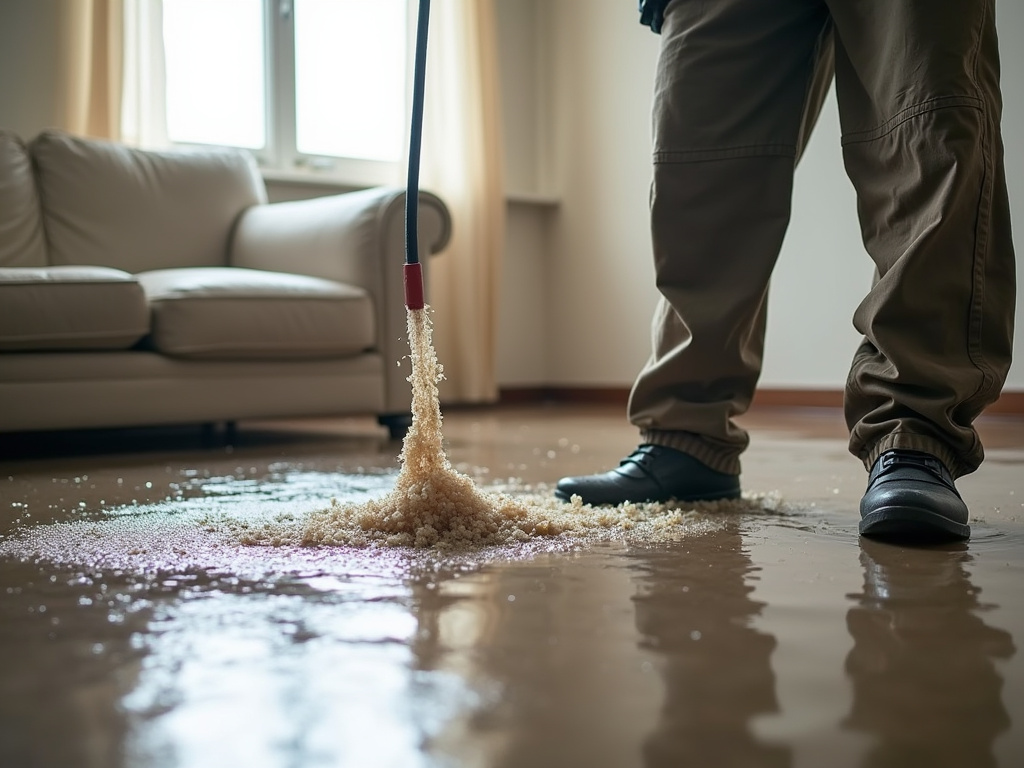
In the first 24 hours after a flood in Bridge City, secure safety for everyone, document all damage thoroughly, and begin water removal right away to limit intrusion under slab foundations from repeated events like Hurricane Ike or Harvey.
Prioritize Safety and Evacuation
Floodwaters from the Neches River or Sabine Lake surge can carry debris and hidden electrical hazards, especially near the Rainbow Bridge and Veterans Memorial Bridge. Move family members and pets to higher ground immediately if water reaches Texas Avenue or Roundbunch Road. Avoid entering any structure until power is confirmed off at the main breaker, and steer clear of downed lines common after Gulf Coast storms. Once the area is clear, wear protective gear like rubber boots and gloves before any inspection because contaminated water from the Golden Triangle region often includes sewage and chemicals. These steps prevent injuries that delay recovery in humid conditions where exposure risks rise quickly.
Document Damage Before Cleanup Begins
Take dated photos and videos of every affected room, including baseboards, flooring edges, and any water lines visible on slab foundations common in Bridge City homes. Note water depth at multiple points and mark furniture positions for insurance adjusters handling claims after storms like Laura in 2020. Store copies on a phone cloud backup in case local power stays out. This record supports later work with Storm & Flood Damage Restoration teams and helps track hidden moisture that slab homes trap easily. Accurate details now prevent disputes when dealing with repeated flood cycles in Orange County.
Begin Water Extraction and Drying
Remove standing water using pumps or wet vacuums within the first few hours to reduce saturation in carpets and subfloors before it spreads under slabs. Focus on high-traffic areas first, then move to walls and lower cabinets where moisture lingers longest in year-round humidity. Open windows and doors for airflow when outdoor conditions allow, but monitor for additional rain from Cow Bayou overflow. Professional Water Damage Cleanup equipment like industrial dehumidifiers works faster than household fans alone and targets moisture levels below 50 percent to slow mold growth. Early extraction near Port Neches or Vidor borders keeps secondary damage contained.
Address Mold Risks in Local Humidity
Southeast Texas humidity accelerates mold within 24-48 hours on wet drywall and insulation, especially after river flooding that saturates everything. Wipe visible surfaces with a mild detergent solution but avoid sealing wet areas until fully dry. Check for musty odors near HVAC returns because slab homes pull moisture upward through foundations. Review Preventing Mold After a Flood in Southeast Texas Humidity for targeted follow-up steps, and watch Signs of Hidden Water Damage in Slab-Foundation Bridge City Homes to catch issues early. Contact RiverFlow Bridge City right away if water volume exceeds what household tools handle.
Plan Next Actions with Local Support
Once immediate water is gone, schedule a full inspection to locate trapped moisture behind walls or under slabs that standard drying misses. Keep detailed notes on every action taken during those first hours for any future Sewage Cleanup & Disinfection needs. Bridge City residents along the Neches often see faster recovery when they act within the first day rather than waiting for outside help. This sequence limits long-term repairs in homes repeatedly tested by Gulf storms.